
Samsung and SK hynix Control Over Half the World’s NAND Supply – And AI Demand Is About to Test That Lead
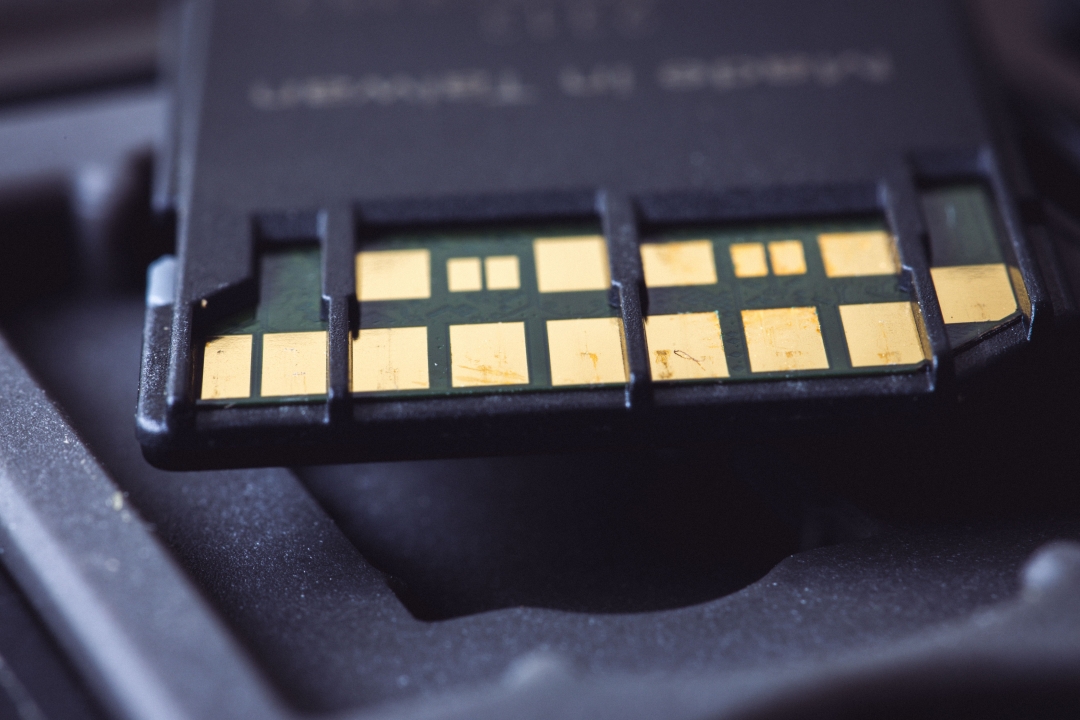
Only two companies worldwide can produce the memory chips fueling the current AI surge on a truly global scale, and both are based in South Korea. This concentration of capacity is a key characteristic of the South Korean NAND Flash Market, which is valued at USD 24.95 billion in 2025 and is expected to grow to USD 48.21 billion by 2033, with an annual growth rate of 8.5% from 2026 to 2033.
In 2025, Samsung Electronics and SK hynix together held over 55% of the global NAND flash revenue. This dominance has been established through decades of fabrication investments that few competitors can realistically challenge. The market size highlights this scale: it is projected to increase from 1,310 billion GB in 2025 to 2,870 billion GB by 2033, more than doubling within less than ten years.
Readers can find additional insights, market forecasts, and segmentation details in the South Korean NAND Flash Market report: https://marksparksolutions.com/reports/south-korea-nand-flash-market
What’s Actually Driving This Demand
The clear answer is AI, and this is largely accurate. Enterprise SSD shipments are directly supported by AI server investments, with global hyperscale cloud spending surpassing USD 250 billion in 2024, as reported by TrendForce. Each large language model training session, inference cluster deployment, and hyperscale data center expansion creates a need for high-capacity, high-speed storage. NAND flash plays a central role in this infrastructure expansion.
AI isn’t the sole factor influencing growth. Modern smartphones are now frequently equipped with high-capacity UFS storage, and the automotive industry is becoming a significant growth driver. The worldwide automotive semiconductor market is expected to surpass USD 100 billion by 2030, as vehicles increasingly require high-density, high-reliability NAND storage for infotainment, ADAS, and autonomous driving systems. While SSD NAND Flash remains the leading product, primarily due to data center and enterprise storage needs, Embedded NAND Flash, including eMMC and UFS used in smartphones and cars, is the fastest-growing segment, driven particularly by the shift to UFS 4.0 and future standards.The Technology Race Nobody Outside Semiconductors Is Watching Closely Enough
Layer count now stands as a key competitive metric in the industry, with South Korea’s two leading companies advancing it more than expected a few years ago. Samsung has launched its ninth-generation V-NAND with over 290 layers for enterprise SSDs and AI tasks, while SK hynix has rolled out a 321-layer 3D NAND, among the highest-layer commercial NANDs worldwide. These are not just incremental upgrades; each increase in layers significantly boosts storage density, power efficiency, and data transfer speeds—crucial for AI training and hyperscale infrastructure.
On the interface front, enterprise storage is quickly transitioning to PCIe Gen5 NVMe SSDs with read speeds over 14 GB/s, designed for AI training and high-performance computing. In mobile devices, UFS 4.0 — with bandwidth up to 23.2 Gbps per lane — is emerging as the leading smartphone standard, facilitating on-device AI processing that is becoming a key feature in premium models.
A Manufacturing Base Backed by National Strategy
Achieving technology leadership demands substantial capital. A state-of-the-art fabrication plant can cost over USD 15–20 billion. South Korea has designed its semiconductor strategy to support this scale of investment. The K-Semiconductor Belt initiative allocates over KRW 622 trillion, approximately USD 450 billion, in combined public and private funding through 2047, making it one of the most ambitious national semiconductor efforts globally.
This investment is evident at facilities like Samsung’s Pyeongtaek campus, one of the world’s largest semiconductor complexes, and SK hynix’s Icheon and Cheongju sites. In 2024, South Korea’s semiconductor exports surpassed USD 141.9 billion, as reported by the Ministry of Trade, Industry and Energy. Memory semiconductors, especially NAND and related products, constitute the largest segment, highlighting their crucial role in the nation’s economy beyond just two companies.
Cyclicality Remains the Industry’s Persistent Risk
None of this shields the market from its fundamental issue: NAND pricing remains highly cyclical. Regular oversupply keeps pushing down average selling prices and delays returns on large capital investments. Inventory corrections happen frequently, not just occasionally. Geopolitical trade restrictions on semiconductor equipment and materials introduce additional uncertainty, while increased competition from Chinese firms, especially YMTC, is heightening pressure as higher-layer NAND production becomes more technically challenging at scale.
A Competitive Field With Few True Peers
Beyond Samsung and SK hynix, the global market also features Solidigm, Kioxia, Micron Technology, YMTC, SanDisk, and Western Digital. These companies are all competing to develop higher-layer architectures and meet the rising AI-driven enterprise storage needs. However, none of them yet match the combined scale of South Korea’s two leading firms.
Download a Complimentary Sample Report Here: https://marksparksolutions.com/sample-reports?1041&Download_Free_Sample
Looking Toward 2033
As AI infrastructure investment grows and automotive digitalization speeds up, the industry aims for 300-plus layer NAND as a key milestone. South Korea’s role in global memory manufacturing remains strong, as long as its leading companies continue to outperform cyclical price pressures and a rising set of international competitors.
Enterprise storage buyers, OEMs, and technology investors seeking NAND flash supply strategies can utilize Mark & Spark Solutions’ comprehensive market study for detailed analysis of technology, segments, and capacity.
Organizations monitoring particular applications, supply contracts, or advanced NAND development are encouraged to request a customized data extract that aligns with their sourcing or investment goals.
Media Contact
Company Name: Mark & Spark Solutions
Contact Person: Sushil
Email: Send Email
Phone: 9158340999
Address:2nd Floor, Panchsheel Park, Aundh
City: Pune
State: Not Applicable
Country: India
Website: https://marksparksolutions.com/reports/south-korea-nand-flash-market


